


Exercise triggers a cascade of hormonal changes that influence everything from your energy levels and muscle growth to mood, metabolism, and recovery. When you move your body, whether through a quick sprint or a long gym session, your endocrine system responds by adjusting hormone production and release to match the physical demands placed on it. Understanding this connection gives athletes and fitness enthusiasts real tools to optimize performance, manage stress, and support long-term health goals.
The hormones affected by exercise read like a who’s who of bodily function: cortisol, testosterone, growth hormone, insulin, endorphins, and more all shift in response to how hard, how long, and what type of movement you choose. A high-intensity interval session creates a completely different hormonal signature than a steady 5K jog, and those differences matter if you’re chasing specific outcomes like fat loss, muscle gain, or better recovery between training sessions.
For the Canadian sports enthusiast tracking performance metrics or the bettor who wants to understand what drives athletic edge, the exercise-hormone relationship offers insights that translate directly to results. Your workout isn’t just burning calories or building strength in isolation. It’s reprogramming your body’s chemical messengers in ways that ripple through sleep quality, hunger signals, inflammation response, and even mental clarity hours or days later.
This guide breaks down exactly how different exercises alter your hormonal environment, which hormones do what, and how you can apply this knowledge whether you’re training for competition, managing weight, or simply trying to feel better day to day. The science is fascinating, but the practical applications are what make it worth your time.
What Happens to Your Hormones During Exercise
The moment you start exercising, your body interprets physical activity as a form of stress and launches an immediate hormonal response. This isn’t a bad thing, it’s actually your body’s built-in survival system kicking into gear. When you begin moving, whether it’s a light jog or heavy deadlifts, your brain signals your endocrine system to release specific hormones that help you meet the physical demands you’re placing on yourself.
Think of it as your body’s emergency broadcast system. Within seconds of starting exercise, your adrenal glands pump out adrenaline to increase heart rate and blood flow. Your pituitary gland releases growth hormone to support tissue repair. Your muscles and fat cells become more responsive to insulin, improving how your body uses energy. This coordinated chemical response prepares your muscles for work, mobilizes stored energy, sharpens mental focus, and manages inflammation.
The intensity and type of exercise determine which hormones dominate the response. A sprint creates a different hormonal profile than a long, slow run. Heavy squats trigger different chemical signals than yoga. Your body fine-tunes its hormonal output based on what you’re asking it to do, which is why understanding these responses helps you train smarter rather than just harder.
The Major Hormones That Respond to Exercise

Stress Hormones: Cortisol and Adrenaline
When you start pushing hard in the gym or on the ice, your body interprets this physical demand as a threat. Your adrenal glands flood your bloodstream with cortisol and adrenaline, the same hormones that helped our ancestors escape predators. Adrenaline kicks in within seconds, spiking your heart rate and shuttling blood to your muscles so you can lift heavier or sprint faster. Cortisol follows within minutes, breaking down stored glycogen and fat to fuel prolonged effort.
These exercise hormone effects are beneficial when they’re temporary. A tough hockey practice or a heavy squat session triggers an acute spike that sharpens focus and mobilizes energy, then drops back to baseline during recovery. That’s your body adapting and getting stronger.
The trouble starts when stress hormones stay elevated. Overtrain without adequate rest, and cortisol remains chronically high. This sustained elevation breaks down muscle tissue instead of building it, suppresses testosterone, weakens your immune system, and leaves you feeling wired yet exhausted. If you’re constantly sore, sleeping poorly, or seeing your performance plateau despite training harder, chronically elevated cortisol is often the culprit.
Anabolic Hormones: Testosterone and Growth Hormone
When you lift heavy weights or push through a challenging sprint, your body releases testosterone and growth hormone, the dynamic duo responsible for building muscle, burning fat, and recovering from hard training sessions.
Testosterone spikes immediately after resistance training, particularly when you’re working large muscle groups with compound movements like squats, deadlifts, and bench presses. This hormone doesn’t just build muscle; it also increases bone density, improves mood, and enhances recovery between workouts. Hockey players and football athletes often see the most dramatic increases because their sports naturally incorporate explosive, full-body movements that trigger testosterone release.
Growth hormone follows a similar pattern but peaks most dramatically during sleep after intense training. It repairs damaged muscle tissue, mobilizes fat for energy, and supports overall recovery. High-intensity interval training produces particularly strong growth hormone responses, one reason why bodybuilders and strength athletes incorporate HIIT alongside traditional lifting.
Here’s the catch: these hormones operate on a use-it-or-lose-it basis. Consistent resistance training maintains elevated baseline levels, while sporadic workouts produce temporary spikes without long-term adaptation. The practical takeaway? Regular strength work, progressive overload, and adequate recovery create the hormonal environment your muscles need to grow stronger.
Feel-Good Hormones: Endorphins and Dopamine
When you push through a tough workout and suddenly feel euphoric, you’re experiencing your brain’s natural reward system at work. Exercise triggers the release of endorphins, your body’s built-in painkillers, which create that famous “runner’s high” feeling. These opioid-like compounds don’t just mask discomfort during exercise; they produce genuine feelings of pleasure and wellbeing that can last for hours afterward.
Dopamine works alongside endorphins as your motivation chemical. Each time you complete a workout, your brain releases dopamine, reinforcing the behavior and making you crave that next session. This is why regular exercisers often describe feeling “addicted” to their training routine. Hockey players talk about needing their ice time, runners get antsy on rest days, and gym rats feel off when they miss a lifting session.
The intensity matters here. Moderate to vigorous exercise produces stronger endorphin and dopamine responses than gentle activity. That’s why pushing yourself slightly beyond your comfort zone creates more profound mood benefits than an easy walk, though both have value.
Metabolic Hormones: Insulin and Thyroid
Exercise fundamentally reshapes how your body handles energy through metabolic hormones. When you move, physical activity improves insulin sensitivity meaning your cells become more responsive to insulin and absorb glucose more efficiently. This effect lasts hours after your workout ends, making regular training a powerful tool for blood sugar management.
Your thyroid hormones also respond to consistent exercise, helping regulate your overall metabolic rate. While a single workout doesn’t dramatically spike thyroid hormones, regular training supports healthy thyroid function and can help maintain the metabolic engine that burns calories even at rest. For athletes watching their weight class or trying to optimize body composition, these metabolic shifts matter more than the calories burned during the workout itself.
How Different Types of Exercise Affect Hormones Differently
Endurance Training and Hormone Balance
Long, steady cardio, think 60-plus minutes at moderate intensity, creates a distinct hormonal signature that endurance athletes know intimately. Initially, your body releases endorphins to manage discomfort and cortisol to mobilize stored energy. For the first 45 minutes, this works beautifully: you feel good, fat burns efficiently, and stress hormones stay manageable.
Push beyond that window without proper fueling, and cortisol keeps climbing while testosterone starts dropping. This isn’t necessarily bad, it’s your body prioritizing survival over muscle building, but chronic endurance training without adequate recovery can suppress anabolic hormones long-term. Hockey players logging heavy conditioning sessions recognize this pattern, where overtraining during grueling seasons can contribute to performance drops alongside player incidents stemming from fatigue.
The key is balancing volume with rest. Marathon runners and distance cyclists succeed by periodizing their training, building mileage gradually, incorporating easy weeks, and fueling during long sessions to prevent excessive cortisol spikes. When managed correctly, endurance work improves your body’s ability to use fat for fuel while maintaining hormonal balance, rather than grinding it down.
Strength Training’s Anabolic Response
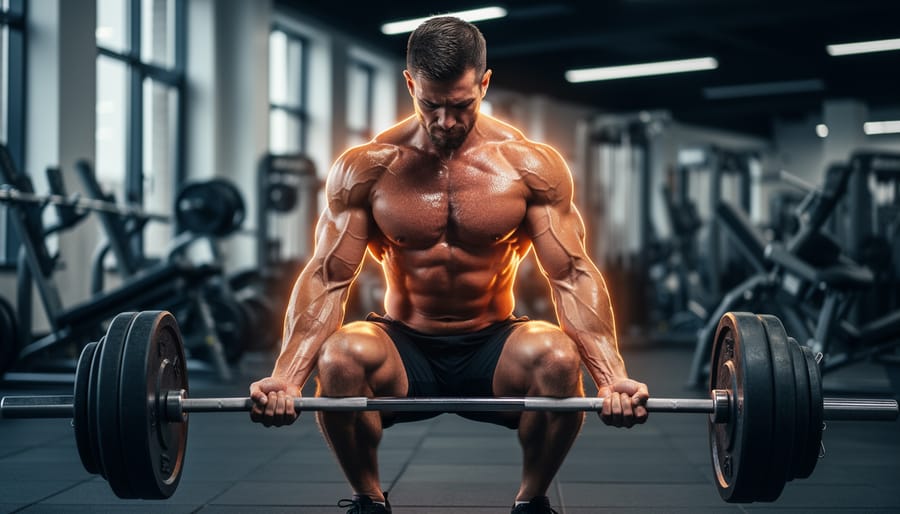
Lifting heavy weights triggers a more powerful anabolic hormone surge than any other exercise type. When you perform compound movements like squats, deadlifts, and bench presses with significant load, your body releases substantial amounts of testosterone and growth hormone, the two primary muscle-building hormones.
The mechanism is straightforward: heavy resistance creates major mechanical stress and microscopic muscle damage. Your endocrine system interprets this as a threat requiring immediate adaptation. Within minutes of your first heavy set, testosterone levels climb to facilitate protein synthesis and muscle repair. Growth hormone follows, peaking 15-30 minutes post-workout and remaining elevated for hours.
This response is dose-dependent. Lifting 85% of your one-rep max for five reps produces far greater hormonal elevation than curling 10-pound dumbbells for twenty. Football players and powerlifters instinctively understand this, their strength-focused programs naturally optimize anabolic hormone production. The combination of heavy load, multiple muscle groups working simultaneously, and relatively short rest periods (60-90 seconds) creates the perfect storm for testosterone and growth hormone release.
High-Intensity Interval Training (HIIT)

HIIT delivers an outsized hormonal punch relative to the time invested. Those 20-30 minute sessions of alternating all-out effort with brief recovery periods trigger a unique combination of hormones that neither steady cardio nor traditional strength training can match.
The sprint-rest-sprint pattern floods your system with adrenaline and noradrenaline during intense intervals, ramping up fat burning while you work. Growth hormone levels spike significantly post-HIIT, sometimes staying elevated for hours afterward, which accelerates recovery and muscle repair. You also get a substantial testosterone boost without the two-hour gym commitment of heavy lifting.
What makes HIIT particularly valuable for time-crunched athletes is the afterburn effect. Your metabolism stays elevated and hormones remain active long after you finish, meaning you’re still burning calories and building fitness while sitting at your desk making picks or watching the game. The cortisol response tends to be sharp but brief, unlike the prolonged elevation seen in marathon sessions.
Recovery Activities and Hormonal Reset
Low-intensity activities like yoga, stretching, and easy walking actively lower cortisol levels while boosting parasympathetic nervous system activity. When you dial down exercise intensity, your body shifts from fight-or-flight mode into rest-and-digest, allowing growth hormone and testosterone to do their muscle-repair work without interference from elevated stress hormones. A 20-minute yoga flow or gentle mobility session between hard training days reduces systemic inflammation and helps restore hormonal equilibrium. For hockey players during playoff pushes or athletes managing heavy competition schedules, strategic recovery sessions protect recovery and performance by preventing the chronic cortisol elevation that tanks testosterone and sabotages gains. The hormonal benefit comes from active rest, not complete inactivity, light movement keeps blood flowing to muscles while signaling your endocrine system that the threat has passed.
How Athletes Use Exercise-Hormone Knowledge in Real Life
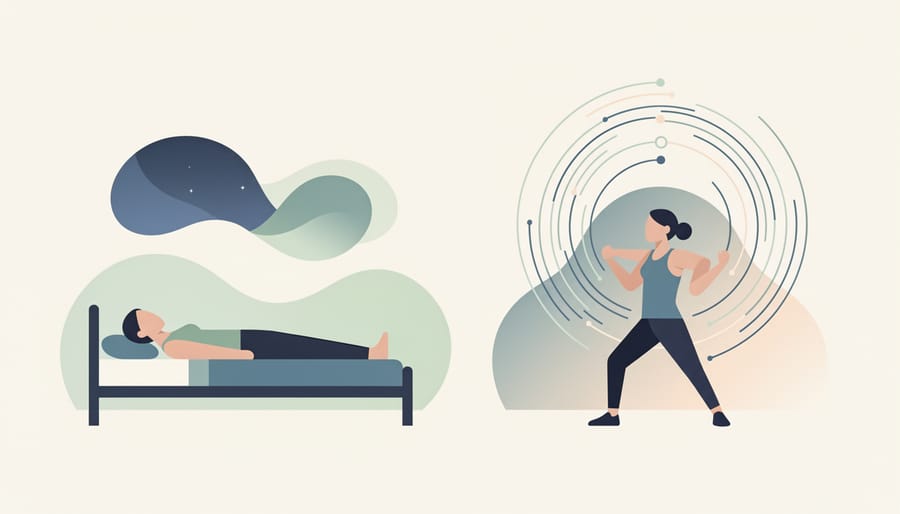
Smart athletes don’t just show up and grind. They understand that timing, intensity, and recovery all play into the hormonal equation that determines whether their training builds them up or breaks them down. This knowledge separates athletes who make steady progress from those who plateau or burn out.
One of the most immediate applications is workout timing. Because testosterone and growth hormone peak naturally in the morning for most people, many strength athletes schedule their heaviest lifts early in the day to capitalize on this hormonal advantage. Meanwhile, cortisol levels are also elevated in the morning, which helps mobilize energy for intense training. Endurance athletes often save their hardest sessions for when they’re fresh and their hormonal environment is primed for adaptation.
Periodization strategies also lean heavily on hormonal science. Professional teams and serious competitors structure their training cycles to create hormonal waves rather than constant high-intensity stress. A typical cycle might include three weeks of progressively harder training followed by a deload week, allowing stress hormones to drop while anabolic hormones rebound. This mirrors what happens in fight training camps, where fighters build intensity toward a peak before tapering to arrive fresh and hormonally optimal on fight night.
Here’s how athletes apply hormonal knowledge to optimize their training and recovery:
- Schedule high-intensity or heavy resistance work when testosterone levels are naturally highest
- Plan recovery weeks every 3-4 weeks to reset cortisol and allow anabolic hormones to rebuild
- Time carbohydrate intake around workouts to maximize insulin’s muscle-building effects while controlling fat storage
- Prioritize 7-9 hours of quality sleep to support growth hormone release and testosterone production
- Use low-intensity movement on rest days to clear cortisol without triggering new stress responses
- Monitor mood, energy, and performance as indicators of hormonal balance rather than just tracking weight or strength numbers
Lifestyle factors matter just as much as what happens in the gym. Sleep deprivation tanks testosterone by up to 15% and elevates cortisol, erasing the hormonal benefits of good training. Chronic stress from work, relationships, or even obsessively following sports betting lines keeps cortisol elevated, interfering with recovery. Athletes who manage their stress through meditation, social connection, or simply taking training less seriously often see better hormonal responses than those who treat every session like a championship event.
Nutrition timing also leverages hormonal rhythms. Eating protein and carbs post-workout when insulin sensitivity is high shuttles nutrients into muscles rather than fat cells. Some athletes manipulate their eating windows to align with natural cortisol and insulin patterns, though the effects are subtle compared to just eating enough quality food and timing it around training.
The Dark Side: When Exercise Hormones Go Wrong
More isn’t always better when it comes to exercise. Push too hard without adequate recovery, and your hormonal system can turn against you.
Overtraining syndrome happens when training volume and intensity exceed your body’s ability to recover. Your stress hormone cortisol stays elevated while testosterone and growth hormone production drops. The result? You’re training harder but getting weaker, slower, and more exhausted.
The warning signs show up gradually. You might notice persistent fatigue that sleep doesn’t fix, declining performance despite consistent effort, increased injuries or illness, mood swings, loss of motivation, and disrupted sleep patterns. Women may experience irregular periods or complete loss of menstruation. Men often see decreased libido and difficulty building muscle despite heavy training.
Canadian endurance athletes training through harsh winters are particularly vulnerable. The combination of high training loads, cold stress, and limited daylight can create a perfect storm for hormonal disruption. Hockey players pushing through multiple games per week without proper recovery face similar risks.
The fix requires intentional rest. Your body needs time to rebalance its hormonal systems. That means actual recovery days, not just “active recovery” that’s still moderately intense. Adequate sleep becomes non-negotiable, growth hormone and testosterone both peak during deep sleep phases.
Nutrition matters too. Chronic under-eating combined with high training volumes sends hormonal signals that you’re starving, triggering survival mode rather than adaptation. Competitive athletes who restrict calories while maintaining intense training schedules risk long-term metabolic damage.
If you’re experiencing multiple warning signs, scale back training volume by 30-50% for two weeks and monitor how you feel. Sometimes the hardest part of training is knowing when to stop.
Common Questions About Exercise and Hormones
Ever wondered if you should hit the gym at dawn or dusk for the best hormonal kick? These questions come up constantly, so let’s tackle the most common ones.
Does the time of day I exercise actually matter for hormones?
Yes, but probably less than you think. Testosterone peaks in the morning, which makes early workouts slightly better for strength training, while cortisol is lower in the evening, creating a calmer hormonal environment. That said, consistency beats timing, working out when you can stick to it trumps chasing the perfect hormonal window.
Do men and women experience different hormonal responses to exercise?
Absolutely. Men typically see bigger testosterone spikes from resistance training, while women experience more significant growth hormone increases. Women’s hormonal responses also fluctuate with their menstrual cycle, with different phases potentially favouring different training intensities.
Can you actually exercise too much and mess up your hormones?
You can. Overtraining syndrome happens when chronic stress from excessive exercise keeps cortisol elevated and suppresses testosterone, growth hormone, and thyroid function. Warning signs include persistent fatigue, sleep problems, mood changes, and performance plateaus despite hard training.
How long do the hormonal benefits of a workout last?
Acute spikes in testosterone, growth hormone, and endorphins typically last 30 minutes to two hours post-workout. The real magic happens over weeks and months, regular training improves baseline insulin sensitivity, maintains healthier cortisol patterns, and optimizes thyroid function long-term.
The supplement question deserves a straight answer: most hormone-boosting supplements don’t work as advertised. CBD shows some promise for managing cortisol and stress responses, but the research is still early. Your best bet is optimizing the basics, consistent training, adequate recovery, quality sleep, and proper nutrition, before chasing pills and powders that promise hormonal miracles.
Understanding how exercise affects your hormones gives you a serious edge, whether you’re trying to improve your game, recover faster, or just feel better day-to-day. The hormonal responses we’ve covered, from the anabolic boost of testosterone and growth hormone to the stress management benefits of endorphins, explain why consistent training does so much more than build muscle or burn calories.
Here’s the reality: your hormonal response to exercise is as individual as your betting strategy. What works for your training partner might not work for you. Some people thrive on heavy lifting’s testosterone spike, while others get their best results from HIIT’s metabolic cocktail. Pay attention to how different workouts make you feel, how quickly you recover, and what your performance tells you.
The key is consistency with variety. Mix your training styles, prioritize recovery as seriously as you do your hardest sessions, and remember that sleep and nutrition aren’t optional, they’re essential for keeping your hormones working in your favor.
Your body’s hormonal system is remarkably adaptable. Give it the right stimulus through smart training, and it’ll respond. Push too hard without recovery, and it’ll push back. Listen to what it’s telling you.