


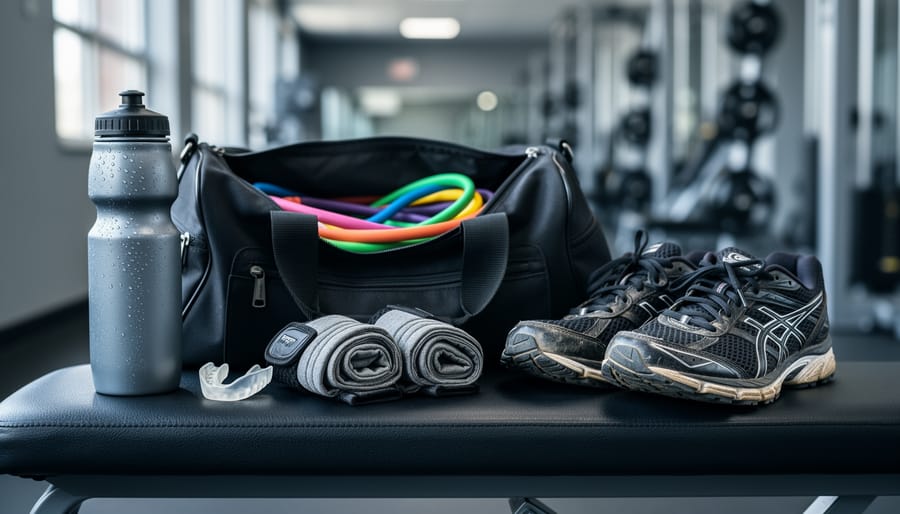
A pro athlete’s day runs on a tightly managed loop of training, fuel, recovery and mental reset, and the margin between good and elite is often decided in the hours nobody films. Most of the job happens away from game day. Think early wake-ups, structured meals timed around sessions, film study, strength work, treatment, and sleep that’s protected like a contract clause.
That’s the real answer behind the highlight reels. The glamour is a small slice. The rest is repetition, discipline and a lot of boring decisions made correctly.
If you’ve only ever followed the scoreboard, standard sports coverage won’t show you this side of the job. We will. This guide walks through a typical day, then breaks down diet, training, recovery, mental health and money, the pieces that decide whether a career lasts three years or fifteen. Every sport has its own rhythm, from hockey’s grind of travel to a sprinter’s narrow peak windows, so we’ll point out where lifestyles split.
Want to test yourself? Grab a pen and sketch your own ideal 24 hours as you read. By the end, you’ll see how close you are to thinking like a pro, and which habits you can borrow today, no contract required.
A Day in the Life: The Rhythm Behind the Performance
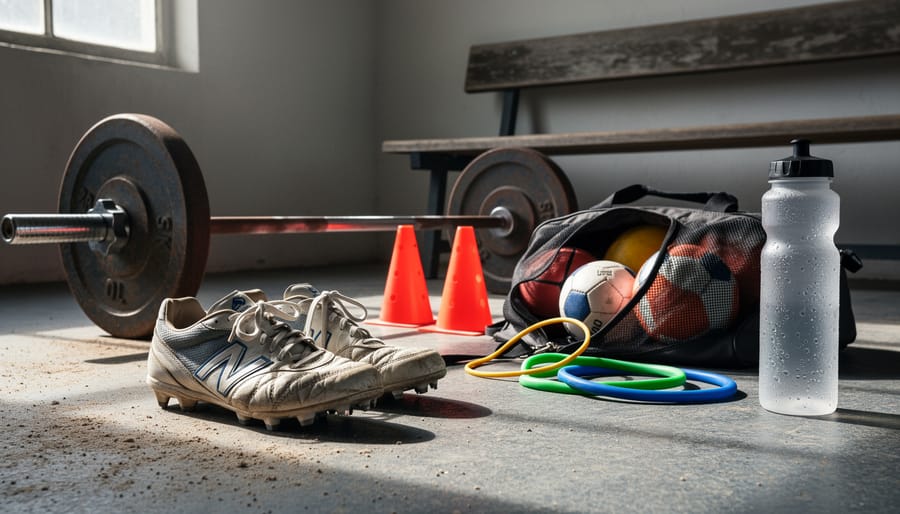
Game Day vs. Non-Game Day
On a non-game day, an athlete’s schedule is built around work: lifting, skill sessions, film and recovery. On game day, everything narrows to one goal, arriving at the opening whistle feeling sharp rather than spent. Training volume drops, meals get simpler and more familiar, and the mental side takes over.
Here’s a general illustration, not any specific athlete’s schedule:
| Day type | Training focus | Nutrition emphasis | Recovery focus |
|---|---|---|---|
| Non-game day (in-season) | Strength, skills, film study | Balanced meals, steady hydration | Mobility, massage, sleep |
| Game day | Light warm-up, tactical walkthrough | Easy-to-digest carbs, familiar pre-game meal | Rest, then post-game refuel and cool-down |
| Off-season day | Skill building, heavier strength work | Fuel for building and rehab | Scheduled rest days |
Then there are the rituals. Plenty of athletes lean on small routines: the same pre-game playlist, taping a stick a certain way, stepping onto the ice or court with a particular foot first. Some of it is superstition, but much of it works as a mental anchor. Repeating the same steps tells the brain it’s time to perform, which calms nerves when the stakes are high. It’s a quirky part of athlete culture, and a handy trick for any fan facing a big presentation or race day.
Off-Season Isn’t Really Time Off
The off-season sounds like a vacation, but for most pros it’s another work cycle with a different goal. Instead of preparing for the next game, athletes are building the player they want to be next year.
Skill work comes first. A hockey forward might spend weeks on shooting mechanics, a basketball guard on a more reliable jumper, a quarterback on footwork. Strength training shifts too, moving away from maintenance lifting toward heavier, longer blocks aimed at adding power without adding injury risk.
The off-season is also when nagging injuries finally get proper attention. Rehab, surgery recovery and mobility work all happen here, because there’s no game schedule forcing a rushed return.
Then comes the mental reset. After months of pressure, travel and public scrutiny, athletes need real distance from the sport. The smart ones don’t leave it to chance. They book rest weeks into the plan, treating a beach trip or a quiet stretch at home as a training input, not a reward for finishing the work.
Fueling the Machine: Nutrition and Hydration Habits
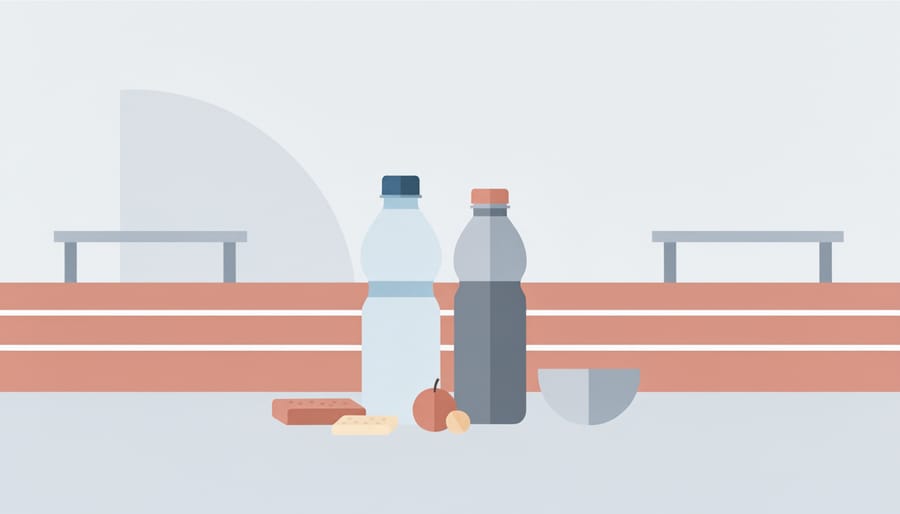
Behind every highlight is a plate of food somebody planned. For pro athletes, nutrition isn’t a diet in the trendy sense. It’s equipment, the same as skates or cleats.
Start with macronutrients, which is just a fancy word for the big three: carbohydrates, protein and fat. Carbs are the main fuel for hard training, protein rebuilds muscle after the damage, and fat supports hormones and long-haul energy. The mix shifts by sport. A marathoner and an NFL lineman eat very differently, and both are doing it right.
Carbs also explain glycogen, the stored form of carbohydrate sitting in your muscles and liver. Think of it as the gas tank. Hard sessions burn it down, and athletes refill it with well-timed meals. That’s why timing matters almost as much as quantity. Cutting glycogen too low can leave you flat, slow and more prone to mistakes.
Hydration is the quiet one. Even mild dehydration can drag down focus and power, so teams often track it. That might mean checking urine colour, weighing athletes before and after practice, or building electrolyte drinks into the day. Training also shifts your internal chemistry, and the same stress that changes appetite and energy is tied to what some call exercise hormones which is one more reason fueling and recovery go hand in hand.
Most pro teams employ a dietitian or performance nutritionist to handle the details, from travel-day meals to individual plans. Common habits they build around include:
- A carb-and-protein meal a few hours before training or competition
- Recovery nutrition shortly after a workout to restart repair and refill glycogen
- Regular hydration checks throughout the day, not just at practice
- Limiting ultra-processed food in favour of whole, minimally processed options
Here’s the catch: what works for a goaltender won’t match a sprinter’s needs, and body size, position and training load all change the math. If you want to borrow these ideas, treat them as a starting point and check with a registered dietitian or doctor before overhauling your own plan.
Recovery Is Part of the Job
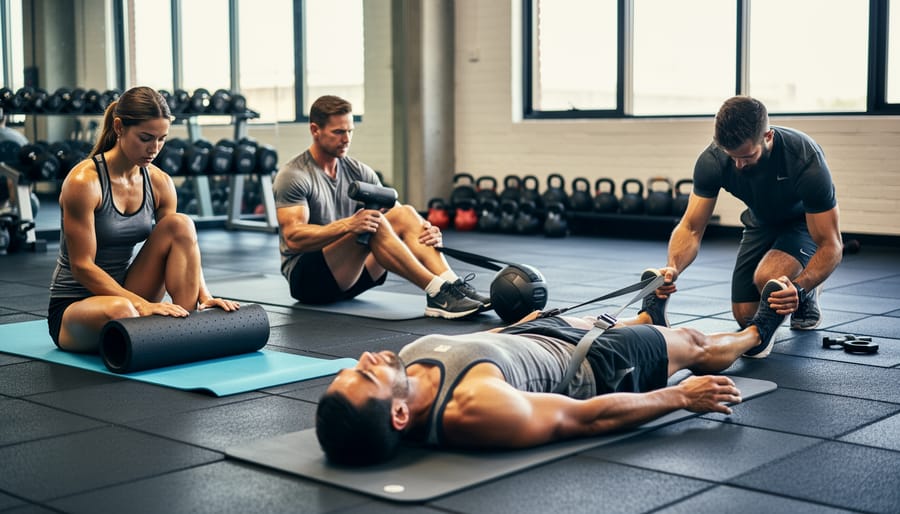
Recovery is where the training actually sticks. Pushing the body creates the stimulus, but adaptation happens afterward, which is why pro teams treat rest as a skill rather than a reward.
Sleep sits at the top of the list. Most athletes aim for eight hours or more, and many add a nap to soak up the extra load. Deep sleep is when tissue repairs and the body resets its performance hormones so cutting corners shows up fast in reaction time, mood and injury risk.
Next comes mobility work, the stretching, foam rolling and joint-focused drills that keep range of motion intact. Think of it as maintenance on a car you drive hard every day. Massage and manual therapy do similar work, easing muscle tightness and giving trainers a chance to spot trouble before it turns into a strain.
Then there’s the hot-and-cold toolkit. Ice baths and cold plunges are popular for dulling soreness after heavy games, while heat, from saunas to warm pools, loosens stiff muscles and boosts blood flow. The science on each is still evolving, and athletes often just stick with whatever their body responds to best.
Load management ties it all together. Coaches and performance staff track minutes, sprint distances and training volume so a player isn’t ground down by March. That’s why a healthy star might sit out a back-to-back. It looks odd to fans, but it’s a calculated bet on being fresh when it matters.
Athletes also weigh newer wellness options, and CBD is part of the ongoing conversation. Some explore it for sleep and soreness, but the evidence is still developing, and product quality varies. Rules differ by league and governing body, so athletes have to follow anti-doping regulations and check with team medical staff before using anything. A single contaminated product can cost someone a season.
Which of these could you borrow tonight? Start with sleep. It’s free, and it works.
The Mental Game Off the Field
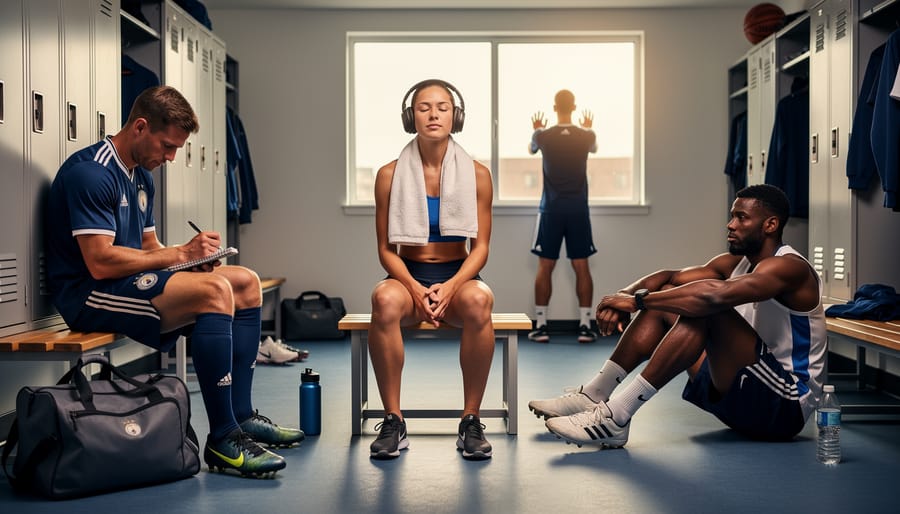
Fans see the stat line, but they rarely see the weight that comes with it. Every performance is replayed, graded and debated within minutes, and for many athletes the scrutiny never fully switches off. A bad night can follow a player into the grocery store, and a good one can raise expectations to a level that’s hard to sustain.
Social media amplifies all of it. Praise feels great, but so do the criticism and the abuse, and both arrive in the same notification feed. Many players now limit their screen time during the season, mute certain apps or hand their accounts to a team member so they can stay focused on the work.
Then there’s the road. Constant travel disrupts sleep, routines and meals, and the physical drain stacks up fast over a long schedule. Time away from family is the quieter cost, with missed birthdays, school events and ordinary evenings at home. Young players often relocate to new cities with little support nearby, which can feel isolating even when the surroundings are glamorous.
The perks are real, though. Athletes get to chase a dream, travel the world and build close bonds with teammates who understand the grind. Teams have also become much more open about the mental side of the job. Many now offer sport psychologists, counsellors and confidential support services, and more players are speaking publicly about seeking help, which helps cut the stigma.
You don’t need a pro contract to borrow the idea. Protecting your headspace is a skill, and like any skill, it improves with practice.
Money, Brands and Life Beyond the Game
For most pros, the paycheque is only one piece of the picture. Careers are short, and many athletes spend their prime years building a second income stream and a second identity at the same time. Sponsorships, endorsements and a personal brand can matter as much as the contract, especially for players whose playing window is only a handful of seasons.
That’s why so many athletes treat their social channels like a small media business. A steady stream of behind-the-scenes content, charity work and fan interaction turns casual followers into a loyal audience, and brands pay attention to that engagement. A partnership works best when it feels natural, like a gear company backing a player who actually uses the product, rather than a logo slapped on a post.
The money side also demands real planning. Athletes lean on financial advisors, budget for life after retirement and often start learning a new trade, coaching, broadcasting or business, long before the final whistle. The transition out of the game is one of the biggest challenges of the whole lifestyle, because the structure, the teammates and the roar of the crowd disappear all at once.
Meanwhile, fans follow athletes more closely than ever. Highlights, stats and media coverage are everywhere, and betting has become part of how some people watch. If that’s you, keep it fun, set limits and know where to get help if the game stops being a game. And when the postseason rolls around, it helps to know how to stream the playoffs so you never miss a moment.
Borrow Like a Pro: Everyday Habits Any Fan Can Use
You don’t need a pro contract to borrow what works. Athletes get results from boring consistency, not secret tricks, and most of their habits scale down to regular life without any special equipment.
Here’s a simple checklist to build your own athlete-inspired routine. Give yourself one point for each step you already do most days:
- Keep a consistent sleep window, going to bed and waking within about an hour of the same times, with a dark, cool room and no scrolling in the last 30 minutes.
- Plan your meals ahead, prepping protein, carbs and vegetables on Sunday so weekday decisions are already made.
- Drink water through the day, starting with a glass in the morning rather than waiting until you feel thirsty.
- Move on your “off” days with a walk, an easy stretch or a light bike ride instead of staying completely still.
- Set one small weekly goal, like three workouts or one new skill, and write it down where you’ll see it.
- Schedule real downtime, protecting at least one evening a week for something that has nothing to do with work or fitness.
Tally it up. Five or six points means you’re already running a solid routine, so just keep it steady. Three or four is a decent base with room to tighten one or two habits. Two or fewer? That’s your starting line, and it’s a fine one.
Don’t try to overhaul everything at once. Pros build habits gradually, one adjustment at a time, and so should you. Pick the lowest-hanging item from the list, own it for two weeks, then add the next. Drop your score in the comments and tell us which habit you’re tackling first.
Common Questions About the Athlete Lifestyle
How many hours do athletes actually train?
It depends on sport, role and time of year. Most pro athletes spend a few hours a day on formal practice, lifting and film, then add recovery work, treatment and travel on top. The total day often feels like a full-time job, even when the on-ice or on-court time looks short.
Do athletes follow strict diets year-round?
Not usually. In-season, meals are planned around training and games, with a focus on protein, carbs for energy and steady hydration. Many athletes loosen up a little in the off-season, but the habits stay. A team dietitian tailors plans to the individual, so there’s no single athlete diet.
How do they handle all that travel?
Carefully. Pros protect sleep first, using eye masks, consistent bedtimes and light exposure to manage time zones. They pack familiar snacks, hydrate on flights and keep a short routine, such as stretching or a walk, wherever they land. Teams also schedule travel to reduce wear and tear when they can.
How long do careers last?
Shorter than most fans expect. Career length varies widely by sport, position and injury luck, and many pro careers run only a handful of years. That’s why athletes think about finances and life after the game early, and why training smart matters as much as training hard.
Can I live like an athlete?
Yes, in small doses. Consistent sleep, planned meals and active recovery are all within reach, and you don’t need a team staff to start.
Highlights get the attention, but the real story of an athlete’s life is everything that happens when no one is watching. Early alarms, planned meals, recovery work, film study and the mental toughness to show up again tomorrow all add up to what fans see on game night. Routine, recovery and resilience do the heavy lifting, long before any trophy.
You don’t need a pro contract to borrow from that. Pick one habit this week, whether it’s a steady bedtime, prepped lunches or ten minutes of mobility work, and stick with it. For more athlete features and sports coverage, keep exploring The Cheap Seats.